

Leave it to Michael Pollan to point out a new way for us to look at ourselves. And do it nicely.
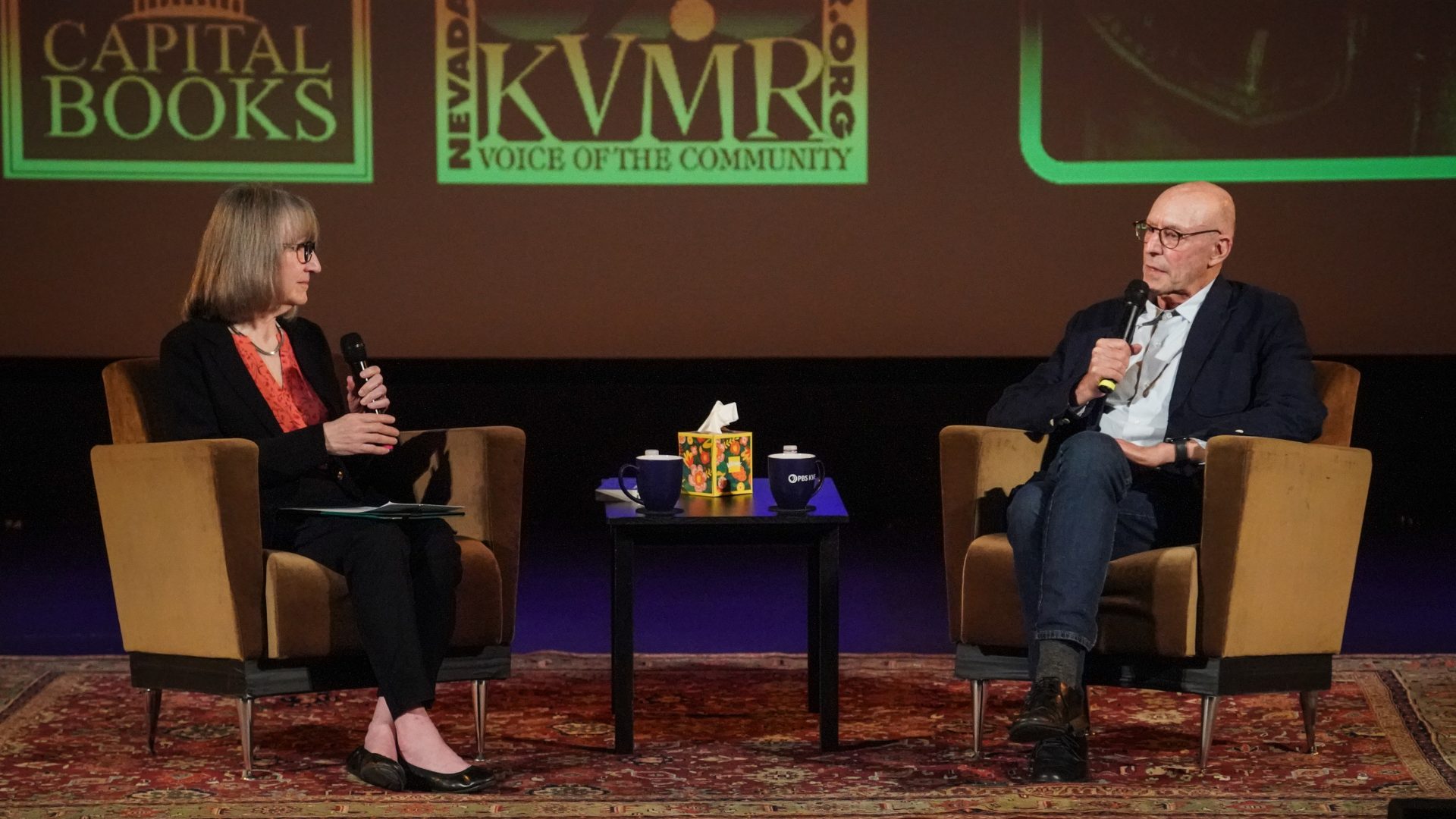
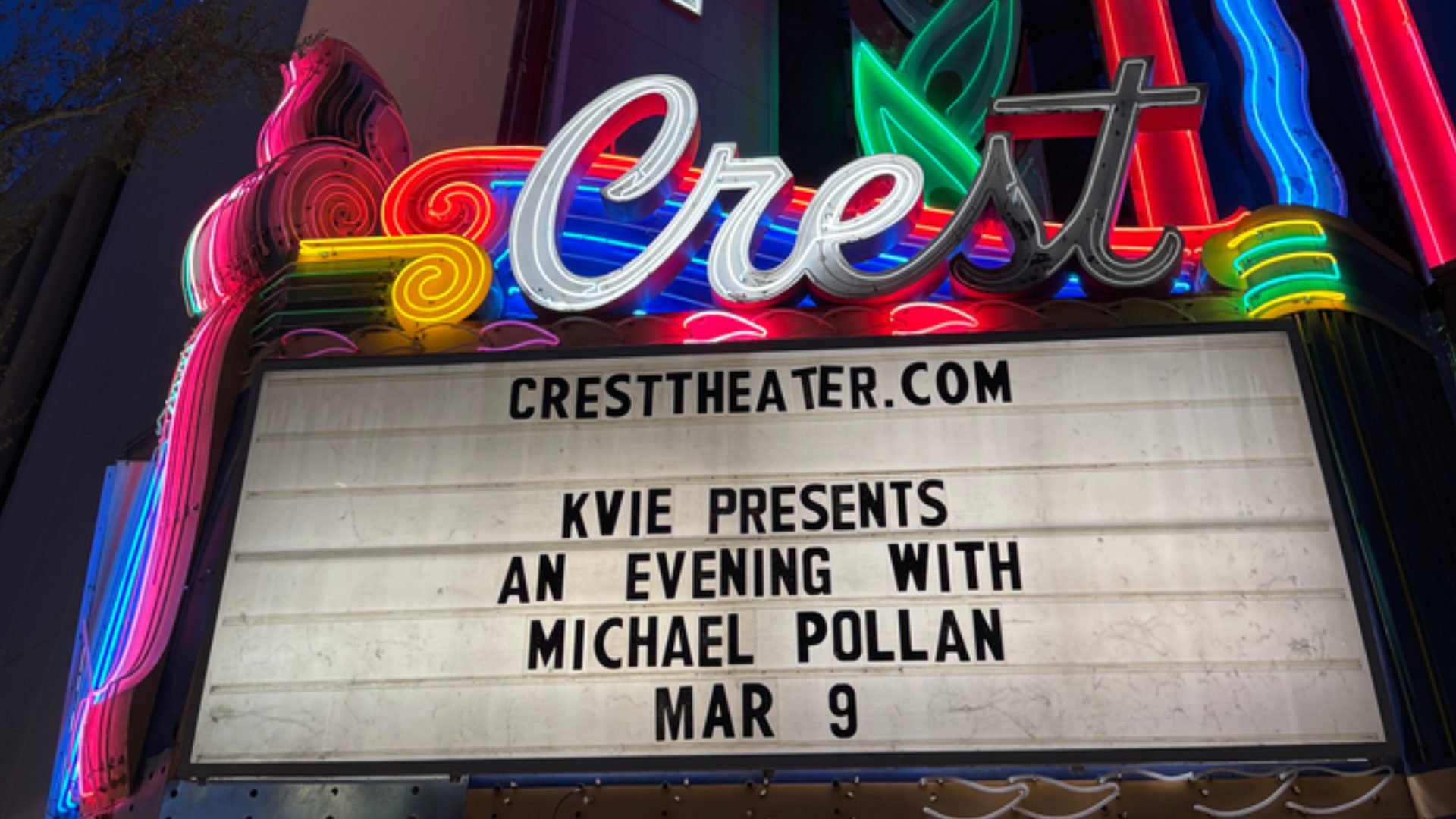
Pollan spoke to a sold-out crowd at the Crest theater in Sacramento on March 9th. I had the honor of interviewing him at that event, sponsored by PBS KVIE.
His latest book, A World Appears, is an examination of the science of consciousness. Pollan explores the history of the study and the wide variety of research on the topic.
Within a few pages, we realize that consciousness is not easily defined. Unlike the brain’s centers for speech, pain and even empathy, scientists have yet to locate a specific location in the human body that is dedicated to consciousness. Some go so far as to say that consciousness is outside the body, like a universal radio signal that we can tune into.
To complicate matters, consciousness is not solely the realm of humans. We don’t have a hold on the concept. Other mammals, birds, fish, even plants have a level of awareness that is akin to consciousness. As an example, slow-motion video of plants with tendrils reveals movement that looks like reaching for a garden stake.
What are the hallmarks of consciousness? Pollan breaks it down into categories – sentience, feeling, thought and self – and interviews scientists who seek the same answers Pollan seeks.
A portion of the book is devoted to the topic of artificial intelligence. Pollan discussed with several experts whether AI has, or could ever have, consciousness. While those experts weren’t sure, Pollan’s opinion is that AI cannot have consciousness because it cannot have feelings.
The ethics involved are complex, as is related legislation. California’s Transparency in Frontier Artificial Intelligence Act (TFAIA), signed into law in September 2025, gives the state the opportunity to show leadership in the AI industry by protecting the public while advancing the technology.
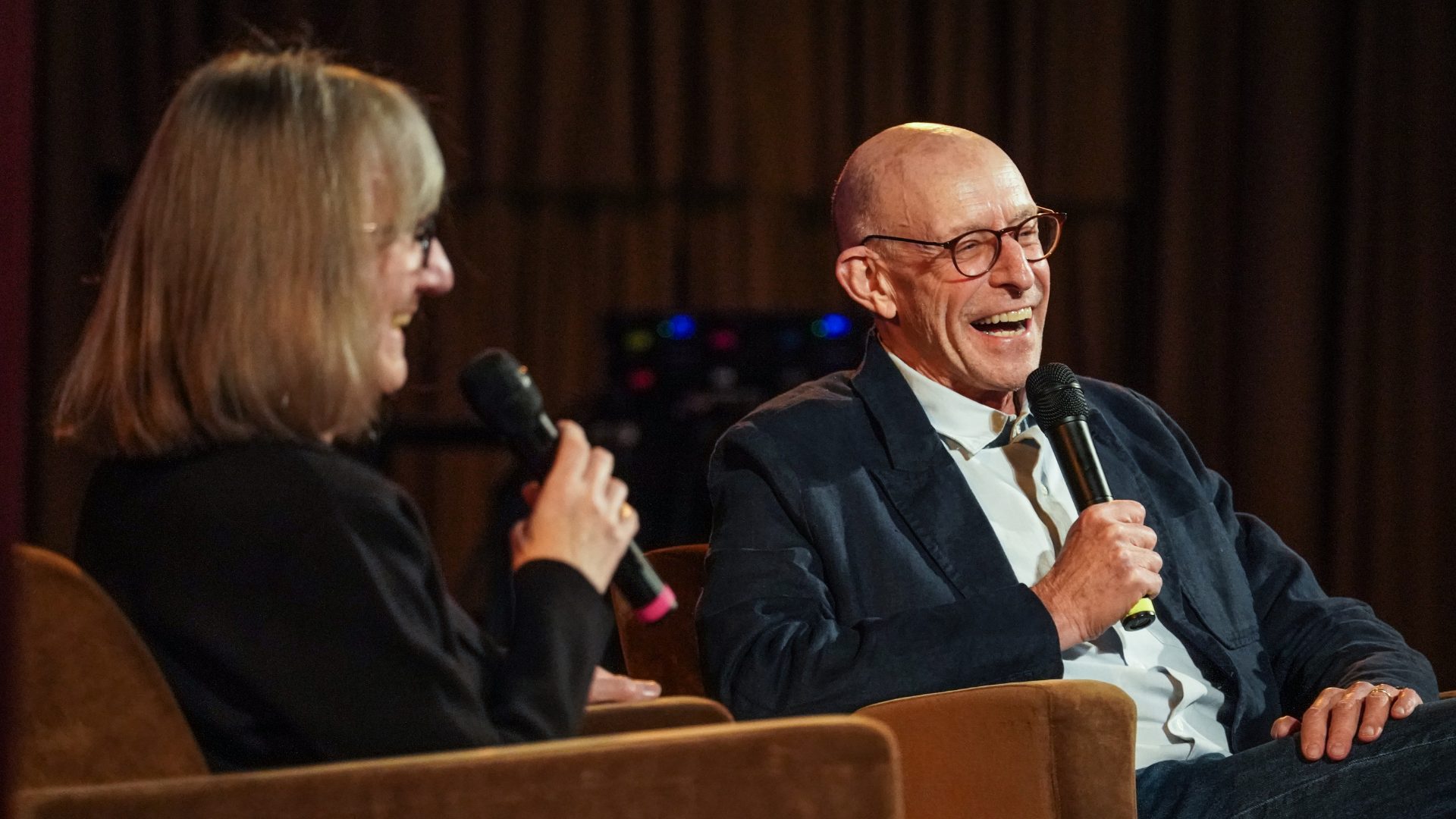
In our event at the Crest, Pollan said that it’s good that California is leading the way.
“Well, we’re trying to. I mean, at the same time, Trump is signing executive orders saying states cannot regulate AI. We don’t know that those will survive in the courts, but I think without question, we need to regulate AI and some of these issues.
“I mean, the simplest one is the fact that AI can imitate living people and impersonate them. And as Yuval Harari said, we’ve got laws against counterfeiting money, but we don’t have any laws against counterfeiting people. And I think we need that.”
Pollan also has a few thoughts on the ethics that should be in place regarding AI.
“I don’t think we should grant machines rights. I mean, we’ve already done it with corporations, and I don’t think that’s worked out that well, so we should be careful about that.
“I certainly think these chatbots that pretend to be somebody or these deep fake photographs, they’re gonna just wreak havoc in our politics, so I think that there should be laws about that or disclosures of various kinds.
“I also think that we should keep chatbots away from young people,” he said, referring to Australia’s new law intended to keep people under age 16 away from social media.
“It’s also just a tragic accident of history that this technology is coming of age during this administration, which is just not prepared. It’s a competition with China. I think that’s really unfortunate. Hopefully the next administration will take a different view.”
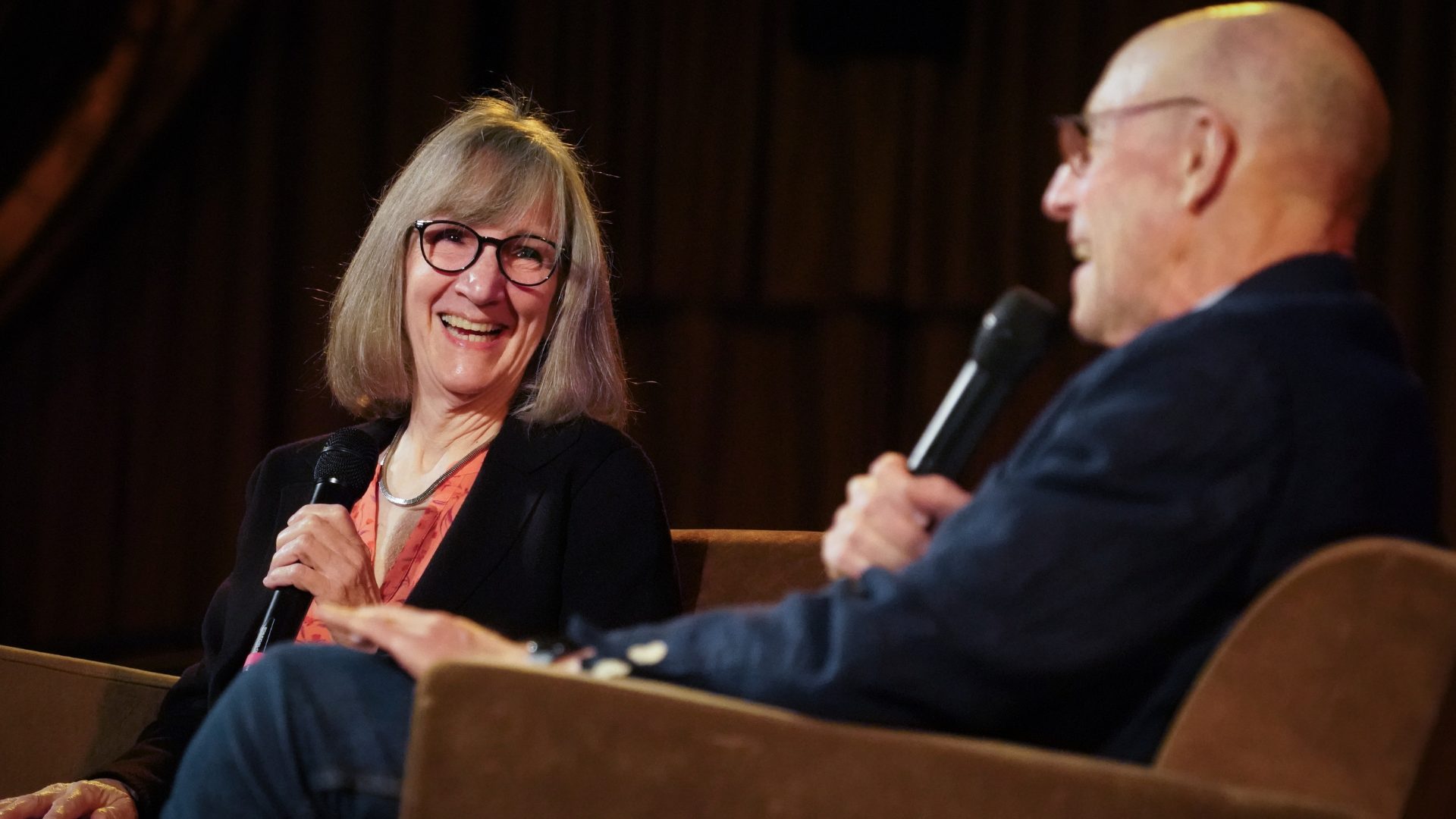
The few people I talked to in the audience ranged from an internationally renowned physician to spiritual leaders. They shared a curiosity about what consciousness is and what it is not, a testament to Pollan’s talent as an innovative thinker and an interpreter of information.
To say that Pollan is a brilliant writer is an understatement. He is a highly respected science journalist. His job is to explain hard stuff in easy words. He has succeeded in his many best-sellers by adding eloquence to science, with topics that include gardening, healthy eating and the use of psychedelic drugs.
As with previous topics, Pollan gets involved. For A World Appears, he took part in an experiment to learn how a thought emerges into consciousness. The findings, he explains, were difficult to pin down. Which comes first? The thought or awareness of the thought? And does that awareness change the thought? The book is filled with such questions and the attempts of experts to answer them.
Consciousness may be the ultimate paradox, and after spending five years on the topic, Pollan realized it is an insoluble problem.
The last chapter of A World Appears finds Pollan at a Buddhist meditation center where he sits in solitude to deal with his lack of a solution.
And that lack of a solution might be the takeaway. Consciousness is elusive because we are simultaneously the observer and the observed. We use our consciousness as a tool to explore our consciousness. It escapes the rigors of scientific method.
Perhaps consciousness is an area that has not yet been mastered by science because some things, including our own minds, are still unknowable.