


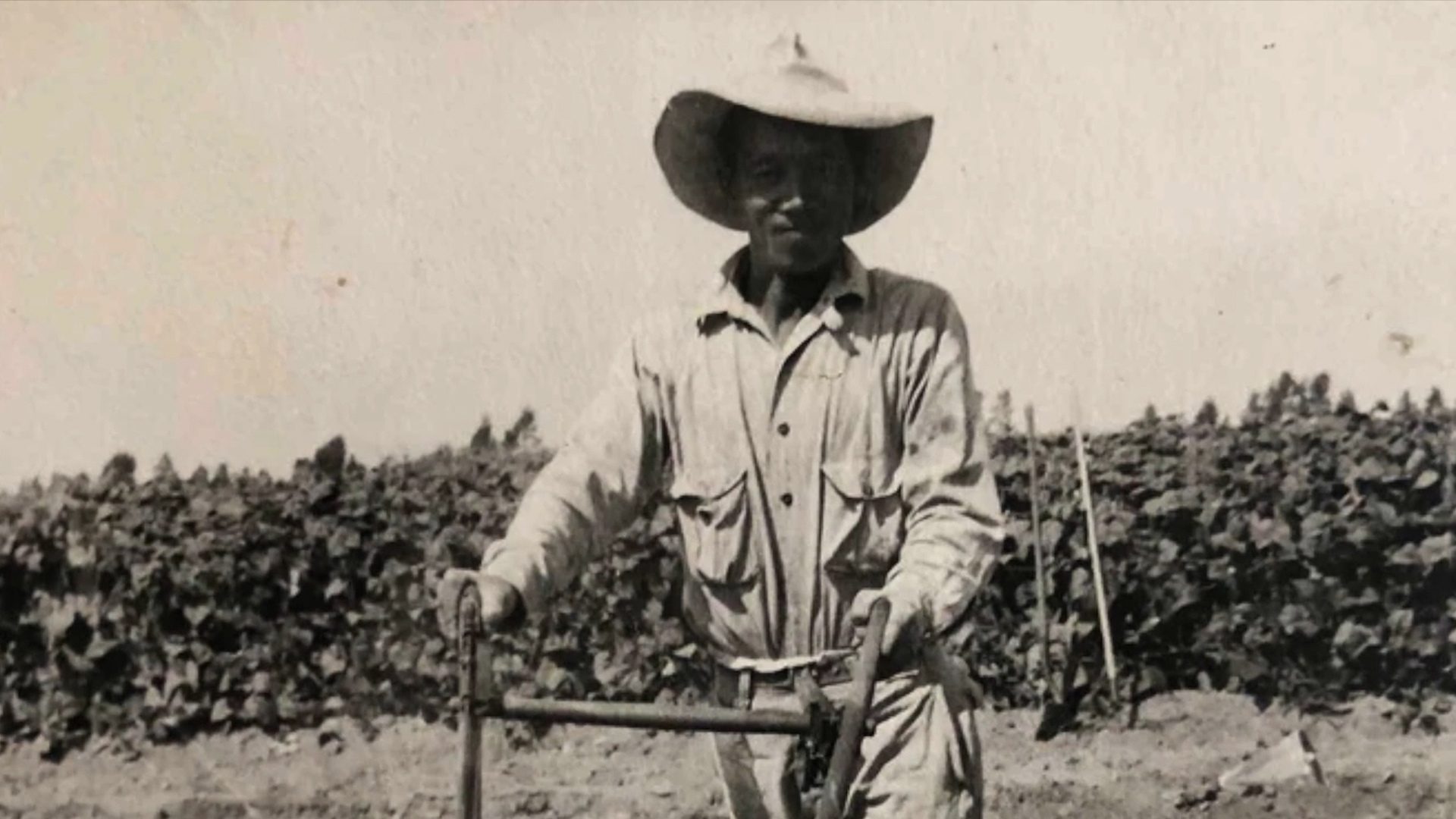
When President Roosevelt’s signing of Executive Order 9066 in 1942 forced thousands of Japanese Americans into relocation camps, many California families lost their farms through forced sale or other means. Some managed to keep and return to their land — sometimes with the help of non-Japanese neighbors and friends. Others had to start from scratch and find new farmland to rebuild their livelihoods.
Follow the profound stories of four of these farm families on ViewFinder: Return to the Soil, premiering on Wednesday, May 27 at 7PM on PBS KVIE, and read on for more about how PBS KVIE produced the program for our local audience and beyond.
This documentary will be available for everyone to watch on the PBS app and will be offered to all PBS stations for possible broadcast in coming months.
What to Know About the Film
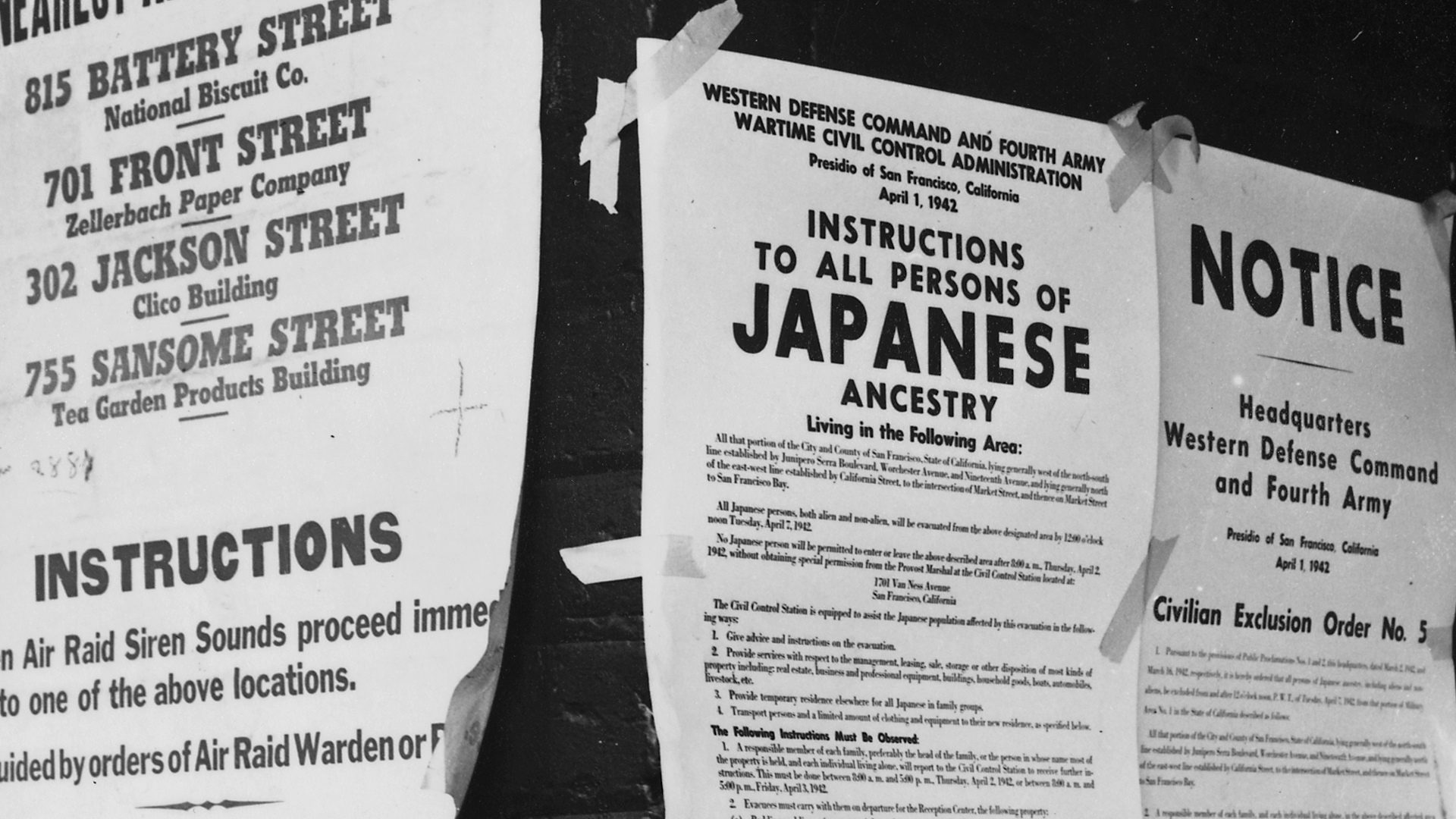
Utilizing a team of subject experts, PBS KVIE created the documentary with supporting multi-platform content encompassing television broadcasts not only in the greater Sacramento region, but across California.
The documentary received invaluable help from Cultural Advisors Gayle Yamada and Antonia Glenn, both subject experts and experienced documentary filmmakers (Forsaken Fields, The Ito Sisters). The farm families across California involved in the film included the Munemitsus, Morishitas, Hiromotos, and Makamis.
Under-Represented Voices at the Forefront
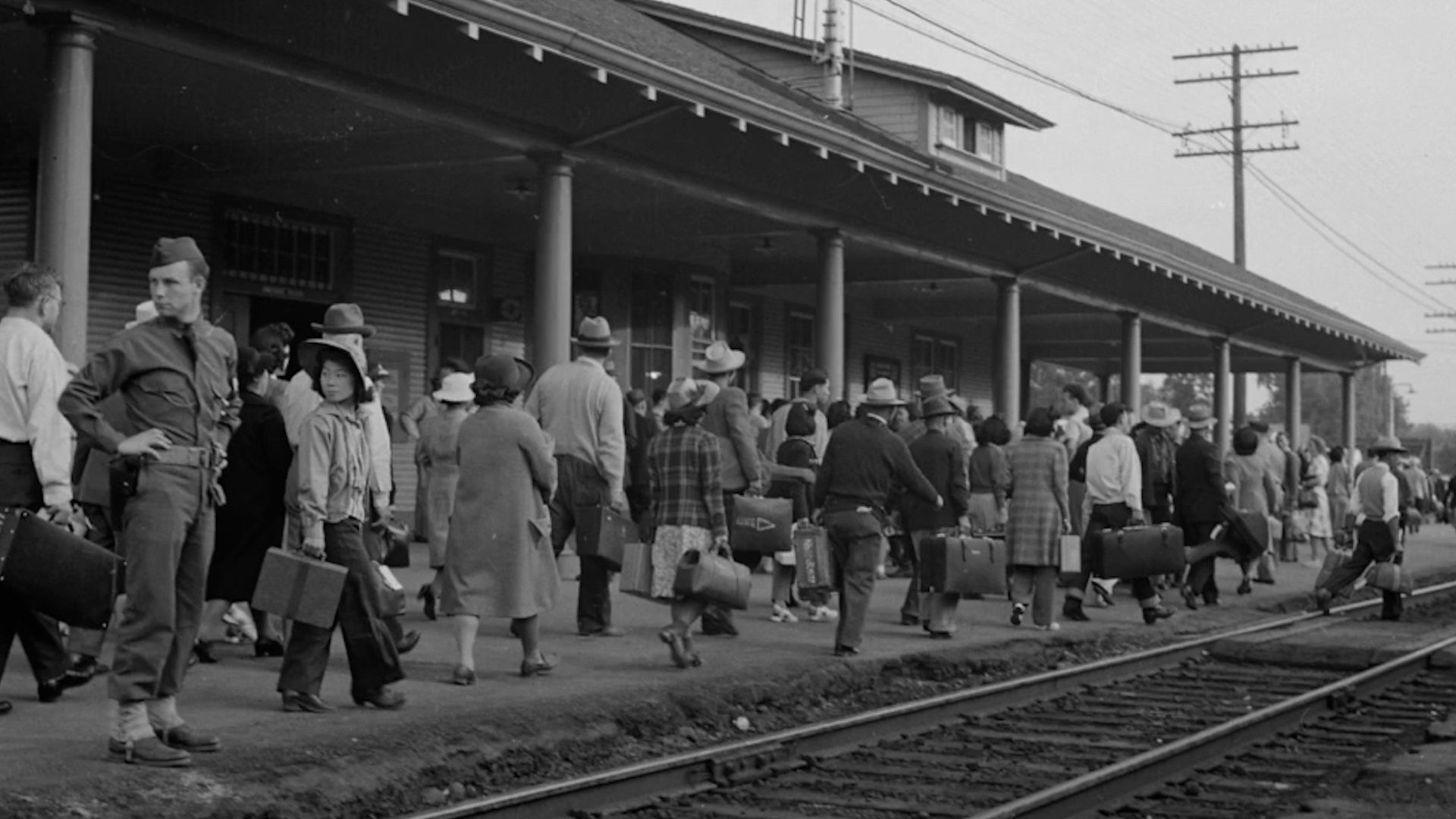
In spring 1942, the Munemitsus were among the more than 120,000 people of Japanese ancestry who were forcibly removed from their homes on the West Coast.
“May 14th, right here on this property, the FBI came and arrested my grandfather unjustly, accusing him of being a spy for Japan. And people who knew my grandfather, we all kind of laugh at that. He is not spy material at all… but that would be the last day that he would see the family for just under three years,” recalled by Janice Munemitsu.
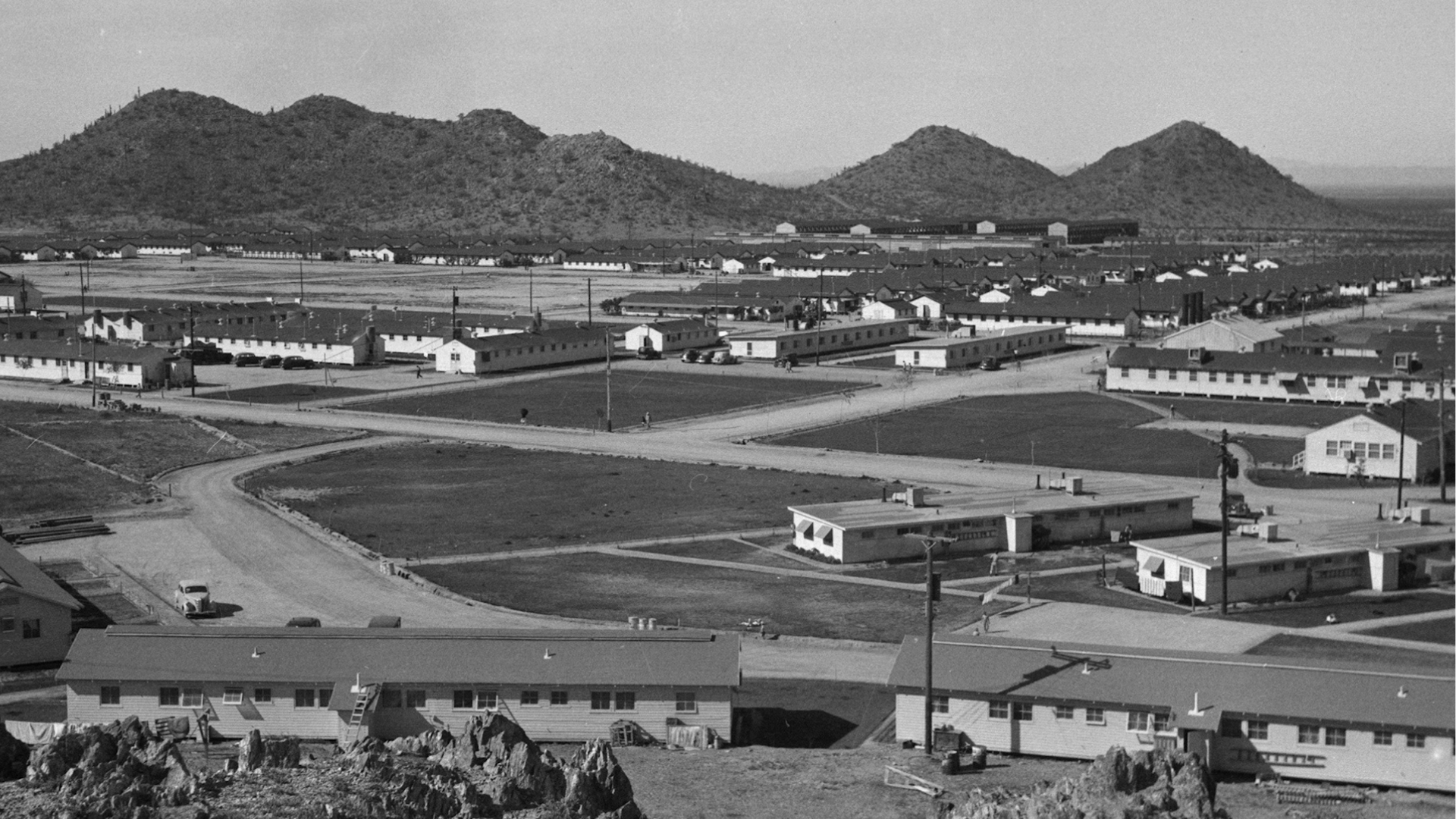
Near the Sacramento Delta, Steve Hiromoto’s father and grandfather farmed 500 rented acres in Clarksburg. They were sent to an incarceration camp in Gila River, Arizona.
“They really didn’t know how long they were going to be there and really didn’t know why they were there.”
Featured in the film is also the Kansha History Project, an all-volunteer effort helping newer generations of Japanese American families re-discover their farming roots, what was lost, and how their ancestors survived and later thrived despite the loss of land and livelihood.
“There are many silences that are in Japanese American communities, and this helps us bridge them. When I saw the records, I knew that they were both highly personal and valuable to families who had been searching for, for information like this for generations,” stated founder and director Amanda Mei Kim.
Our Community, Our History
Michael Sanford, Associate General Manager – Production (Emeritus) and program producer, recognized that this chapter in American history was too important to let fade into obscurity.
“Fortunately, organizations like the Japanese American Community Foundation and the California State Library agreed this story needed to be preserved and shared with new generations of viewers,” said Sanford. “Thanks to their generous support, we were able to produce Return to the Soil, which is the latest in a number of similar PBS KVIE programs we’ve done over the last 20 years.”